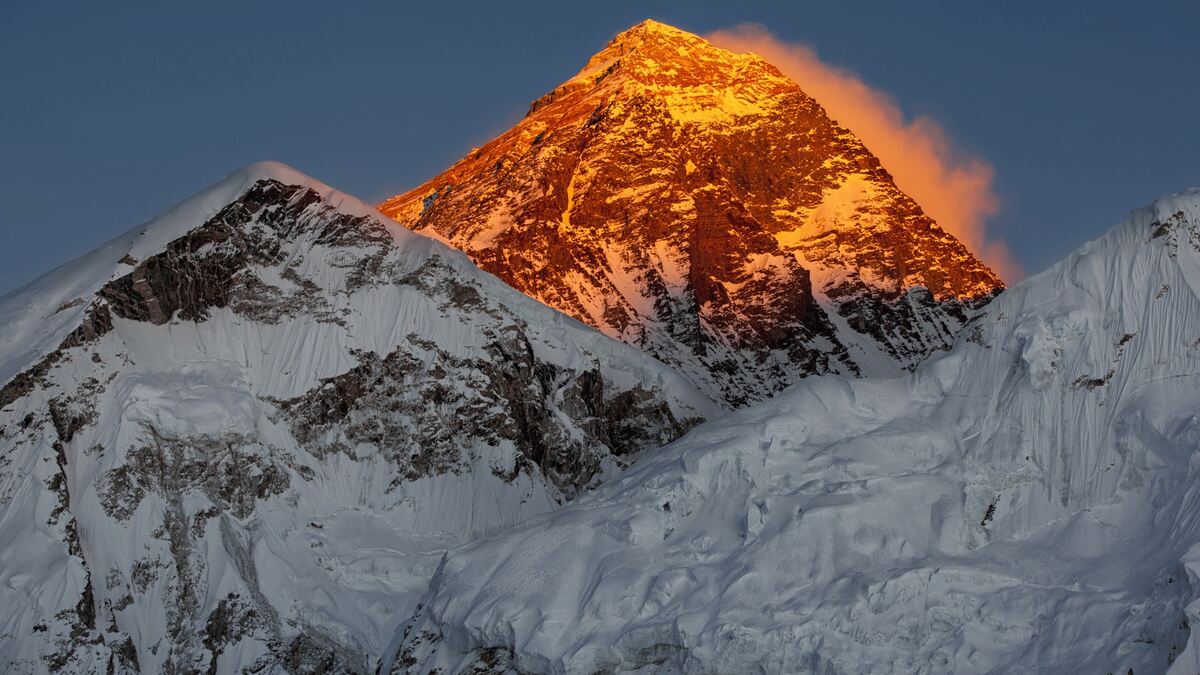
Nepal offers 10 best tea house treks for comfortable hiking: Everest Base Camp, Annapurna Base Camp, Annapurna Circuit, Langtang Valley, Mardi Himal, Ghorepani Poon Hill, Gokyo Lakes, Manaslu Circuit, Khopra Ridge, and Helambu. Each route connects a chain of local lodges called tea houses, which provide beds, meals, and hot showers along the trail. Trekkers cover these routes without carrying tents, cooking equipment, or heavy food supplies.
A tea house trek differs from a camping trek by relying on family-run lodges built along the trail, spaced roughly 2 to 5 hours apart on foot. Each lodge operates a common dining room heated by a wood or dung stove, where trekkers order meals from a fixed menu that includes dal bhat, noodle soup, and fried potatoes. This lodge-to-lodge structure reduces trip cost, cuts required gear, and connects trekkers directly with the Sherpa, Gurung, Magar, and Tamang families who run the region's hospitality economy. The best trekking seasons for Everest Base Camp run from March to May and September to November, when clear skies expose the full Khumbu skyline. Trekkers need a Sagarmatha National Park permit and a Khumbu Pasang Lhamu Rural Municipality entry permit before starting from Lukla.
1. Everest Base Camp Trek
The Everest Base Camp Trek climbs through the Khumbu region to the foot of the world's highest mountain at 5,364 meters. This trek starts in Lukla and follows the Dudh Kosi river valley through Sherpa villages before reaching Everest Base Camp.
Why Is the Everest Base Camp Trek So Popular?
The Everest Base Camp Trek attracts more than 40,000 trekkers annually because it delivers direct views of Mount Everest, Sherpa culture, and Khumbu glacier scenery within a 12-day itinerary. The route passes through Namche Bazaar, the trading hub of the Khumbu region, and Tengboche Monastery, the largest Buddhist monastery in the area. Trekkers gain close access to four peaks above 8,000 meters: Everest, Lhotse, Cho Oyu, and Makalu.
What Is the Route, Duration, and Difficulty?
The Everest Base Camp Trek runs 130 kilometers round trip over 12 to 14 days, starting with a flight from Kathmandu to Lukla at 2,860 meters. The trail climbs through Phakding, Namche Bazaar, Tengboche, Dingboche, and Lobuche before reaching Everest Base Camp and Kala Patthar at 5,545 meters. This trek carries a strenuous difficulty rating due to altitude gain above 5,000 meters and daily walking periods of 5 to 7 hours.
What Are the Main Highlights?
The Everest Base Camp Trek features 5 main highlights: sunrise views from Kala Patthar, the Khumbu Icefall, Tengboche Monastery, Sherpa mountain villages, and close-range views of Everest's south face. Tea houses along this route offer private rooms, solar-heated showers, bakery items, and WiFi access in Namche Bazaar and Dingboche.
2. Annapurna Base Camp Trek
The Annapurna Base Camp Trek enters a natural amphitheater surrounded by peaks above 7,000 meters in the Annapurna Sanctuary. This trek starts near Pokhara and threads through rhododendron forests before opening into the base camp bowl at 4,130 meters.
What Makes the Annapurna Base Camp Trek Unique?
The Annapurna Base Camp Trek offers a 360-degree mountain amphitheater view in 7 to 12 days without requiring a domestic flight, making it accessible directly from Pokhara by road. The trail traverses diverse terrain, including subtropical forest, terraced farmland, and alpine meadows within a single trip. Trekkers reach the base camp surrounded by Annapurna I, Machapuchare, Hiunchuli, and Annapurna South.
What Is the Route, Duration, and Difficulty?
The Annapurna Base Camp Trek covers 60 to 115 kilometers depending on the starting trailhead, with most itineraries running 7 to 12 days from Nayapul or Kimche. The route passes through Ghandruk, Chhomrong, Bamboo, Deurali, Machapuchare Base Camp, and Annapurna Base Camp at 4,130 meters. This trek carries a moderate difficulty rating with maximum altitude exposure below 4,200 meters. The best trekking seasons for Annapurna Base Camp run from March to May and October to November, avoiding the monsoon rains that fall between June and August. Trekkers need an Annapurna Conservation Area Permit and a Trekkers' Information Management System card before entering Ghandruk.
What Are the Main Highlights?
The Annapurna Base Camp Trek features 5 main highlights: the Annapurna Sanctuary amphitheater, Machapuchare's fishtail summit, Gurung and Magar village culture, rhododendron forest blooms in spring, and natural hot springs at Jhinu Danda. Tea houses along this route provide dal bhat meals, wood-stove heating, and mountain-facing rooms at nearly every stop.
3. Annapurna Circuit Trek
The Annapurna Circuit Trek loops around the entire Annapurna massif, crossing the Thorong La Pass at 5,416 meters. This trek connects the Marsyangdi and Kali Gandaki river valleys through a single continuous circuit.
Why Is the Annapurna Circuit Trek a Classic Adventure?
The Annapurna Circuit Trek ranks as a classic adventure because it covers 6 distinct climate zones, from subtropical lowlands to high alpine desert, across 12 to 18 days of continuous trekking. The route crosses Thorong La Pass, one of the highest trekking passes in Nepal, connecting the Manang valley to the Mustang region. Trekkers experience the contrast between lush Annapurna foothills and the arid Tibetan plateau landscape of Muktinath.
What Is the Route, Duration, and Difficulty?
The Annapurna Circuit Trek spans 160 to 230 kilometers over 12 to 18 days, starting from Besisahar or Ngadi and ending in Nayapul or Jomsom. The trail passes through Chame, Pisang, Manang, Thorong Phedi, Thorong La Pass, Muktinath, and Marpha. This trek carries a strenuous difficulty rating due to the single-day pass crossing above 5,000 meters. The best trekking seasons for the Annapurna Circuit run from October to November and March to April, when Thorong La Pass stays clear of heavy snow. Trekkers need an Annapurna Conservation Area Permit and a Trekkers' Information Management System card, both obtainable in Kathmandu or Pokhara.
What Are the Main Highlights?
The Annapurna Circuit Trek features 5 main highlights: the Thorong La Pass crossing, Muktinath Temple, apple orchards in Marpha, the Manang acclimatization villages, and views of Dhaulagiri and Annapurna from the Kali Gandaki gorge. Tea houses along this route range from basic stone lodges in Manang to comfortable guesthouses with attached bathrooms in Jomsom and Marpha.
4. Langtang Valley Trek
The Langtang Valley Trek follows the Langtang river through pine and rhododendron forests to a glacial valley beneath Langtang Lirung. This trek starts in Syabrubesi, a 7-hour drive from Kathmandu, without requiring a domestic flight.
Why Is the Langtang Valley Trek Perfect for Scenic Hiking?
The Langtang Valley Trek delivers glacier, forest, and Tamang village scenery within a 7 to 10 day itinerary that starts and ends with road access from Kathmandu. The route follows a single river valley, reducing navigation complexity compared to multi-valley treks. Trekkers pass through Langtang National Park, home to red pandas, Himalayan black bears, and over 250 bird species.
What Is the Route, Duration, and Difficulty?
The Langtang Valley Trek covers 65 kilometers round trip over 7 to 10 days, starting from Syabrubesi at 1,550 meters. The trail passes through Lama Hotel, Langtang Village, and Kyanjin Gompa before reaching Tserko Ri viewpoint at 4,984 meters. This trek carries a moderate difficulty rating with a manageable daily altitude gain. The best trekking seasons for Langtang Valley run from March to May and October to December, when the Langtang Lirung range remains visible from Kyanjin Gompa. Trekkers need a Langtang National Park permit and a Trekkers' Information Management System card before departing Syabrubesi.
What Are the Main Highlights?
The Langtang Valley Trek features 5 main highlights: Kyanjin Gompa monastery, yak cheese production at local dairies, Tamang heritage villages, views of Langtang Lirung at 7,227 meters, and the Tserko Ri sunrise panorama. Tea houses along this route include lodges rebuilt after the 2015 earthquake, offering solar power, bakery goods, and locally produced cheese.
5. Mardi Himal Trek
The Mardi Himal Trek climbs a narrow ridge toward Mardi Himal base camp at 4,500 meters, separate from the main Annapurna Sanctuary trail. This trek gained popularity after 2012 as an alternative to more crowded Annapurna routes.
Why Is the Mardi Himal Trek a Hidden Gem?
The Mardi Himal Trek qualifies as a hidden gem because it reaches close-range views of Machapuchare and Annapurna South within 5 to 7 days while carrying significantly lower trekker traffic than neighboring routes. The trail follows a ridge line rather than a river valley, producing continuous mountain views instead of the deep gorge walking found on other treks. Trekkers reach base camp elevation in fewer days than most Annapurna region alternatives.
What Is the Route, Duration, and Difficulty?
The Mardi Himal Trek spans 40 kilometers round trip over 5 to 7 days, starting from Kande or Phedi near Pokhara. The trail passes through Forest Camp, Low Camp, High Camp, and Mardi Himal Base Camp at 4,500 meters. This trek carries a moderate to strenuous difficulty rating due to a steep ridge ascent on the final day. The best trekking seasons for Mardi Himal run from March to May and September to November, matching the wider Annapurna region climate pattern. Trekkers need an Annapurna Conservation Area Permit before starting from Kande, with no additional restricted-area permit required.
What Are the Main Highlights?
The Mardi Himal Trek features 4 main highlights: close-up views of Machapuchare's fishtail peak, rhododendron forest sections between Kande and Forest Camp, sunrise from High Camp, and reduced crowd density compared to Annapurna Base Camp. Tea houses along this route remain basic at High Camp, with dormitory-style rooms and limited electricity above Low Camp.
6. Ghorepani Poon Hill Trek
The Ghorepani Poon Hill Trek climbs to a viewpoint at 3,210 meters offering a panoramic sunrise over the Annapurna and Dhaulagiri ranges. This trek suits first-time trekkers due to its short duration and moderate elevation gain.
Why Is the Ghorepani Poon Hill Trek Great for Beginners?
The Ghorepani Poon Hill Trek suits beginners because it stays below 3,300 meters, runs only 4 to 6 days, and reaches one of Nepal's most accessible Himalayan viewpoints without requiring prior high-altitude experience. The route follows well-maintained stone stairways through Gurung and Magar villages near Pokhara. Trekkers reach Poon Hill before sunrise for views spanning Annapurna I, Annapurna South, Machapuchare, and Dhaulagiri.
What Is the Route, Duration, and Difficulty?
The Ghorepani Poon Hill Trek covers 45 kilometers round trip over 4 to 6 days, starting from Nayapul near Pokhara. The trail passes through Tikhedhunga, Ulleri, Ghorepani, and Poon Hill viewpoint at 3,210 meters. This trek carries an easy to moderate difficulty rating suitable for trekkers with basic fitness levels. The best trekking seasons for Ghorepani Poon Hill run from March to April, when rhododendron forests bloom, and October to November, when visibility peaks. Trekkers need an Annapurna Conservation Area Permit and a Trekkers' Information Management System card before starting from Nayapul.
What Are the Main Highlights?
The Ghorepani Poon Hill Trek features 4 main highlights: the Poon Hill sunrise panorama, rhododendron forests that bloom red and pink in March and April, stone-step village architecture in Ulleri and Ghorepani, and close proximity to Pokhara for shorter total trip time. Tea houses along this route offer some of the most comfortable rooms in Nepal, including hot showers and varied menus.
7. Gokyo Lakes Trek
The Gokyo Lakes Trek climbs into the Khumbu region's western valley to reach a chain of glacial lakes at 4,700 to 5,000 meters. This trek follows a quieter route than the main Everest Base Camp trail while offering comparable mountain scale.
Why Should You Choose the Gokyo Lakes Trek?
The Gokyo Lakes Trek delivers views of four 8,000-meter peaks from a single viewpoint, Gokyo Ri at 5,357 meters, combined with 6 turquoise glacial lakes across a 12 to 14 day itinerary. The trail runs parallel to the Ngozumpa Glacier, the longest glacier in Nepal. Trekkers can combine this route with the Everest Base Camp trek via the Cho La Pass at 5,420 meters for an extended circuit.
What Is the Route, Duration, and Difficulty?
The Gokyo Lakes Trek spans 90 kilometers round trip over 12 to 14 days, starting with a flight to Lukla. The trail passes through Namche Bazaar, Dole, Machhermo, and Gokyo Village before reaching Gokyo Ri at 5,357 meters. This trek carries a strenuous difficulty rating comparable to Everest Base Camp due to sustained altitude above 4,500 meters. The best trekking seasons for Gokyo Lakes run from March to May and September to November, aligning with the wider Khumbu region climate window. Trekkers need a Sagarmatha National Park permit and a Khumbu Pasang Lhamu Rural Municipality entry permit before starting from Lukla.
What Are the Main Highlights?
The Gokyo Lakes Trek features 5 main highlights: the Gokyo Ri panorama of Everest, Lhotse, Makalu, and Cho Oyu, the six sacred Gokyo Lakes, the Ngozumpa Glacier crossing, low trekker density compared to the main Everest trail, and optional Cho La Pass connection. Tea houses along this route offer lake-facing rooms in Gokyo Village and simpler lodges in Dole and Machhermo.
8. Manaslu Circuit Trek
The Manaslu Circuit Trek circles the eighth-highest mountain in the world through a restricted region requiring a special permit. This trek combines remote village culture with high-altitude pass crossing at Larkya La.
Why Is the Manaslu Circuit Trek Worth the Challenge?
The Manaslu Circuit Trek rewards trekkers with 8,163-meter Manaslu views, Tibetan-influenced village culture, and significantly lower crowd density due to a restricted-area permit requirement covering 14 days. The route follows the Budhi Gandaki river gorge through a landscape unchanged by mass tourism development. Trekkers cross Larkya La Pass at 5,106 meters, connecting the eastern and western sides of the Manaslu range.
What Is the Route, Duration, and Difficulty?
The Manaslu Circuit Trek covers 177 kilometers over 14 to 16 days, starting from Soti Khola or Machha Khola. The trail passes through Jagat, Deng, Namrung, Samagaon, Samdo, and Larkya La Pass before descending to Dharapani. This trek carries a strenuous difficulty rating and requires a licensed guide by government regulation. The best trekking seasons for the Manaslu Circuit run from September to November and March to April, when Larkya La Pass remains passable. Trekkers need a Manaslu Restricted Area Permit, a Manaslu Conservation Area Permit, and an Annapurna Conservation Area Permit, arranged through a registered trekking agency.
What Are the Main Highlights?
The Manaslu Circuit Trek features 5 main highlights: the Larkya La Pass crossing, Tibetan Buddhist monasteries in Samagaon, close views of Manaslu's north face, restricted-area permit exclusivity, and connection to the Annapurna Circuit trail near Dharapani. Tea houses along this route remain basic in upper villages like Samdo, with improved facilities near Jagat and Philim.
9. Khopra Ridge Trek
The Khopra Ridge Trek climbs a remote ridge in the Annapurna Conservation Area, reaching Khopra Danda at 3,660 meters. This trek avoids the main Annapurna trails, offering solitude with equivalent mountain views.
Why Is the Khopra Ridge Trek an Excellent Off-the-Beaten-Path Choice?
The Khopra Ridge Trek qualifies as an excellent off-the-beaten-path choice because it reaches panoramic views of Annapurna South, Nilgiri, and Dhaulagiri within 6 to 8 days while receiving a fraction of the traffic seen on Poon Hill or Annapurna Base Camp routes. The trail passes through community-managed lodges built specifically to support local tourism initiatives. Trekkers can extend the route to Khayer Lake, a sacred glacial lake at 4,660 meters.
What Is the Route, Duration, and Difficulty?
The Khopra Ridge Trek spans 55 kilometers round trip over 6 to 8 days, starting from Nayapul or Ghandruk. The trail passes through Tadapani, Dobato, and Khopra Danda before an optional extension to Khayer Lake. This trek carries a moderate difficulty rating with fewer steep stone staircases than the Poon Hill route. The best trekking seasons for Khopra Ridge run from March to May and October to December, when Dhaulagiri and Annapurna South stay free of cloud cover. Trekkers need an Annapurna Conservation Area Permit and a Trekkers' Information Management System card before starting from Ghandruk.
What Are the Main Highlights?
The Khopra Ridge Trek features 4 main highlights: uninterrupted views of Annapurna South and Dhaulagiri, community-run tea houses that fund local schools, the Khayer Lake extension, and minimal crowd density even during peak season. Tea houses along this route operate under a cooperative model, directing profits toward village infrastructure.
10. Helambu Trek
The Helambu Trek circles through Tamang and Sherpa villages north of Kathmandu Valley, reaching a maximum elevation of 3,650 meters. This trek suits trekkers seeking a short cultural route without high-altitude exposure.
Why Is the Helambu Trek Ideal for Short Tea House Hiking?
The Helambu Trek suits short tea house hiking because it starts within a 3-hour drive of Kathmandu, runs only 5 to 7 days, and stays below altitudes that require acclimatization days. The route passes through Tamang villages with distinct architecture, chortens, and prayer wheels along the trail. Trekkers can combine this route with the Langtang Valley Trek through the Gosaikunda pass for a longer circuit.
What Is the Route, Duration, and Difficulty?
The Helambu Trek covers 65 kilometers over 5 to 7 days, starting from Sundarijal at the edge of Kathmandu Valley. The trail passes through Chisapani, Kutumsang, Tharepati, and Melamchigaon before looping back through Tarkeghyang. This trek carries an easy to moderate difficulty rating with a maximum elevation below 3,700 meters. The best trekking seasons for Helambu run from October to December and March to May, when Kathmandu Valley's northern hills remain dry and accessible. Trekkers need a Shivapuri Nagarjun National Park permit and a Trekkers' Information Management System card before starting from Sundarijal.
What Are the Main Highlights?
The Helambu Trek features 4 main highlights: Tamang village architecture in Tarkeghyang, proximity to Kathmandu without a domestic flight, Buddhist chortens and monasteries along the route, and rhododendron forest sections between Chisapani and Kutumsang. Tea houses along this route include some of the most established lodges in the Kathmandu Valley trekking region, built to serve weekend hikers as well as long-distance trekkers.
How Can Nepal Intrepid Treks Help You Plan the Perfect Tea House Trek?
Nepal Intrepid Treks plans tea house treks by matching trekker fitness levels, available trip duration, and season to one of the 10 routes listed above, then arranging permits, licensed guides, and tea house bookings in advance. The company coordinates domestic flights to Lukla for Everest region treks and restricted-area permits for the Manaslu Circuit. Trekkers receive a fixed daily itinerary with pre-arranged accommodation, removing the need to negotiate tea house availability during peak trekking seasons in March, April, October, and November.
Why Choose Nepal Intrepid Treks for Your Nepal Trekking Adventure?
Nepal Intrepid Treks operates with government-licensed guides, maintains fixed departure support for solo trekkers, and holds direct relationships with tea house owners across the Everest, Annapurna, Langtang, and Manaslu regions. This structure reduces last-minute lodging shortages during high season, when tea houses in Namche Bazaar, Ghorepani, and Manang fill quickly. The company also provides pre-trek briefings covering altitude sickness prevention, packing requirements, and permit documentation specific to each region.
What Are the Key Takeaways About the Best Tea House Treks in Nepal?
Nepal's 10 best tea house treks divide into 3 difficulty categories: easy to moderate routes under 3,700 meters (Ghorepani Poon Hill, Helambu), moderate routes reaching 4,000 to 4,700 meters (Annapurna Base Camp, Langtang Valley, Mardi Himal, Khopra Ridge, Gokyo Lakes), and strenuous routes crossing passes above 5,000 meters (Everest Base Camp, Annapurna Circuit, Manaslu Circuit). Trekkers select a route based on 3 factors: available trip duration, altitude tolerance, and preference for crowd density versus solitude. Tea houses across all 10 routes provide beds, hot meals, and basic amenities, removing the need for tents or cooking equipment on any of these treks. Trekkers planning a first Himalayan trip choose Ghorepani Poon Hill or Helambu for a low-risk introduction to tea house trekking. Trekkers seeking a signature Himalayan achievement choose Everest Base Camp or Annapurna Circuit for their combination of altitude, scenery, and route reputation. Trekkers prioritizing solitude choose Khopra Ridge, Mardi Himal, or Manaslu Circuit, where daily trekker numbers stay far below the volume recorded on the Everest and main Annapurna trails.